Concrete Pool Decks
Your pool area deserves a surface that is safe, durable, and good-looking. We install and resurface concrete pool decks for residential and commercial properties across Little Rock, AR.
(501) 621-2844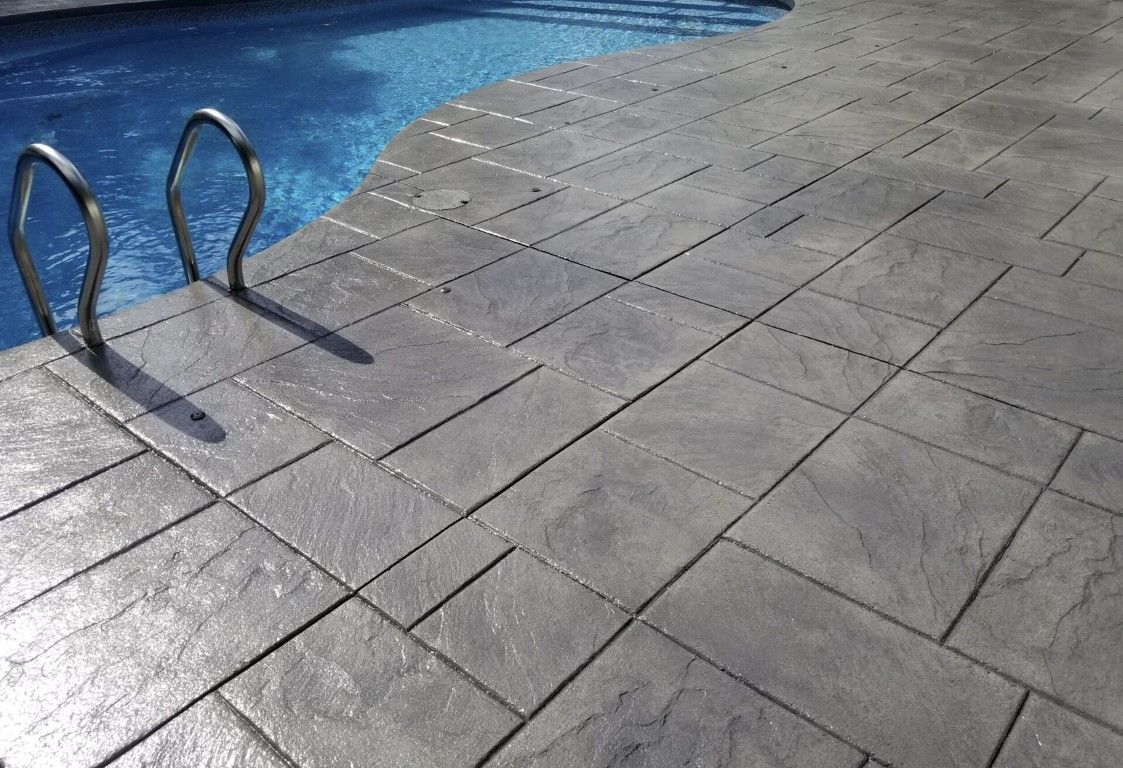
A pool deck takes more wear than most surfaces on your property. It sits in constant sun, gets wet and dry repeatedly, handles bare feet and wet swimsuits all summer long, and has to stand up to years of Little Rock weather. The wrong material or a poorly done installation shows its problems quickly, whether through cracking, staining, or a surface that becomes slippery and unsafe.
At Advanced Little Rock Concrete Company, we build and resurface pool decks that hold up to that kind of use. We use the right mix design, finish, and slope to give you a surface that drains properly, stays safe underfoot, and looks clean for years without constant maintenance.
What Makes Pool Deck Concrete Different From a Driveway or Patio
Pool decks have specific requirements that standard flatwork does not. Getting these right is the difference between a deck that lasts twenty years and one that starts showing problems in two.
- Slip-resistant texture: Smooth concrete becomes dangerously slippery when wet. Pool decks need a broom finish, exposed aggregate, or textured overlay to keep bare feet safe around the water.
- Proper drainage slope: The deck must slope away from the pool and toward the drain at the right grade. Water that pools on a deck or runs toward the pool area can undermine the deck base over time and create standing water hazards.
- Coping and expansion joints: The joint where the deck meets the pool coping needs to be properly designed and sealed. Without it, water infiltrates under the deck and causes settling, cracking, and long-term structural issues.
- Heat resistance and lighter finishes: Dark concrete absorbs heat and becomes uncomfortable for bare feet in the Arkansas summer sun. Lighter-toned finishes and heat-reflective surfaces are a practical choice for pool areas.
- Chemical resistance: Pool water, chlorine splash, and cleaning products can degrade concrete over time if the mix and sealer are not chosen with that in mind. We use products suited for the pool environment.
- Reinforcement for longevity: Rebar or fiber reinforcement keeps the slab from cracking under load and through the seasonal expansion and contraction cycles that Arkansas weather brings.
Finish Options for Your Pool Deck
Concrete gives you more design flexibility around a pool than most people realize. You are not stuck with plain gray flatwork. Here is what we offer.
Broom Finish
The most common and practical option. A broom finish gives the surface consistent texture that grips bare feet and shed water quickly. It is clean, low-maintenance, and holds up well over time. Many homeowners choose a broom finish for the deck field and add a decorative border for visual interest.
Exposed Aggregate
Exposed aggregate gives you a natural stone-like texture by seeding the surface with decorative stone and washing back the top layer of cement to reveal it. It is attractive, highly slip-resistant, and one of the most durable finish options available for pool areas. If you are interested in similar decorative work elsewhere, our stamped and decorative concrete service covers those options in detail.
Stamped or Textured Overlay
Stamped concrete lets you get the look of natural stone, slate, or tile at a fraction of the cost. For existing decks that are structurally sound but looking worn, a textured overlay can transform the surface without a full demo and repour. If your patio area connects to the pool deck, we can match finishes across both for a seamless look. That work is part of our concrete patio installation service.
New Pool Deck Installation vs. Resurfacing
Not every pool deck job requires a full demo and repour. Here is how we help you decide which route makes sense for your situation.
When to Resurface
If the existing deck is structurally solid but the surface is stained, pitted, or just outdated in appearance, resurfacing is a smart, cost-effective option. We grind the surface, apply a bonding layer, and install a new overlay finish that looks brand new. Resurfacing also lets you change the texture or add a decorative element to an otherwise plain deck.
When to Start Fresh
If the existing deck has significant cracking, settling, or drainage problems, resurfacing covers them up without fixing them. A proper new installation means demo, base prep, correct drainage design, and a fresh pour with the right mix and finish. It costs more upfront but gives you a deck that performs correctly for the long term. We walk you through both options with honest pricing so you can make the decision that fits your situation and budget.
Questions About Concrete Pool Decks
Here are the questions we hear most from homeowners planning a pool deck project.
How thick should a concrete pool deck be?
A standard residential pool deck is typically four inches thick for the general field area, with thicker sections at the coping edge and any areas that will see vehicle traffic or heavy equipment. Thickness depends on the base conditions and what the deck will be used for. We assess your specific site conditions and design the slab thickness accordingly. A deck that is too thin for its use will crack prematurely, so getting this right from the start is important.
Can concrete pool decks get too hot to walk on barefoot?
Yes, dark concrete in direct sun can get very hot. The good news is that you have a lot of control over this through finish color and texture. Lighter-toned finishes reflect more heat and stay significantly cooler than dark surfaces. Exposed aggregate finishes also tend to stay cooler than smooth finishes because of the air gaps between the stone particles. We can talk through the options during the planning process and help you choose a finish that balances looks, safety, and comfort in Arkansas summer heat.
How long before I can use the pool after the deck is poured?
You should plan on keeping foot traffic off the new deck for at least 48 to 72 hours after the pour, and wait about a week before the area sees regular use. Full curing takes 28 days, but the deck will be functional for normal pool activity well before then. If the project involves any work near the pool water line or coping, we will give you specific guidance on timing for getting back in the water. Weather conditions affect curing time, so hot summer pours and cool fall pours will have slightly different timelines.
Let Us Help You Design the Right Pool Deck
We serve Little Rock and surrounding communities with free, no-pressure estimates for pool deck installation and resurfacing. Call us to get started.
(501) 621-2844