Concrete Repair & Replacement
Cracked, sunken, or spalling concrete does not always need a full tear-out. We assess your situation honestly and recommend the most cost-effective fix for your property in Little Rock, AR.
(501) 621-2844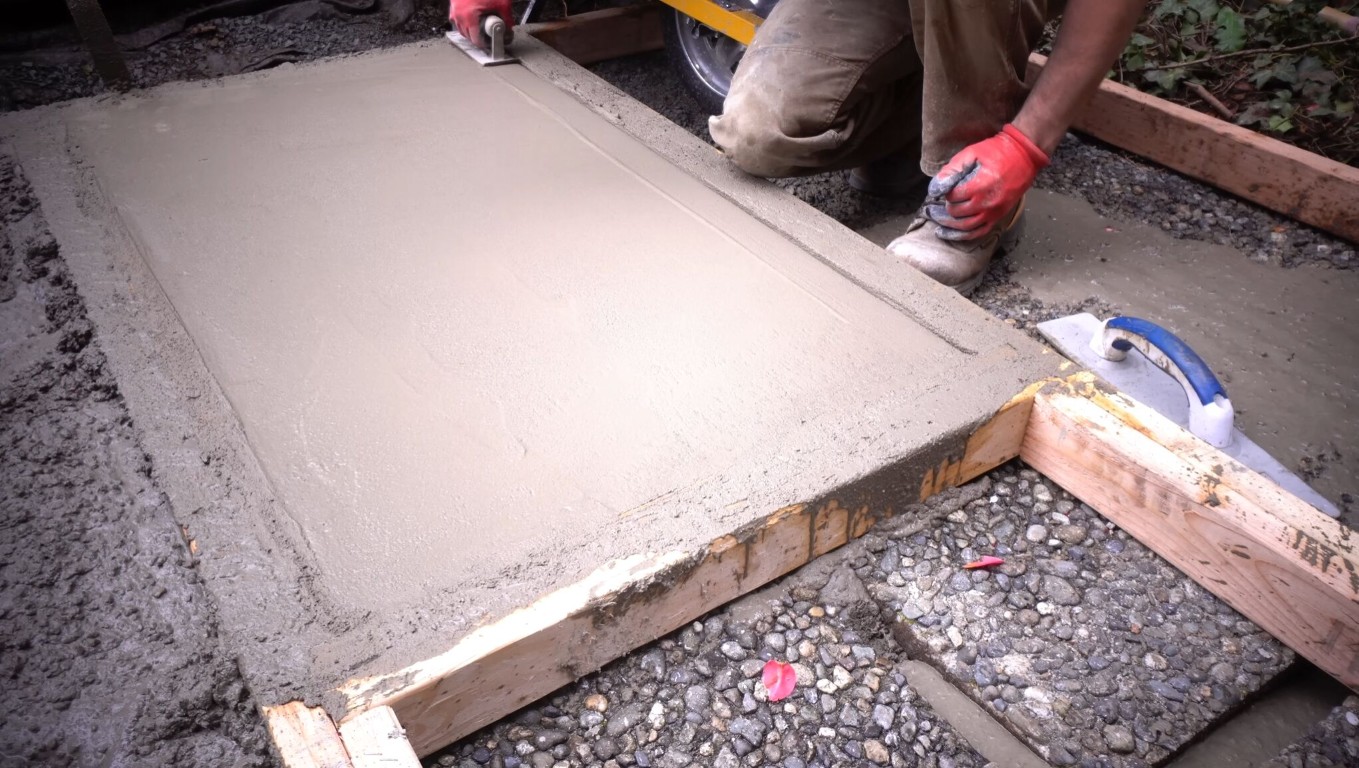
At Advanced Little Rock Concrete Company, we get calls every week from homeowners and property managers in Little Rock, AR who are dealing with deteriorating concrete. Sometimes the damage is cosmetic. Sometimes it points to a deeper structural problem. We help you figure out which one you are dealing with before any work starts.
Ignoring concrete damage is rarely the smart move. A small crack that fills with water expands every time temperatures drop. A sunken slab becomes a trip hazard and can direct water toward your foundation. The sooner you address the problem, the more options you have and the lower the final cost tends to be.
Signs Your Concrete Needs Attention Now
Not sure if your concrete needs repair or replacement? Here are the warning signs we look for when we assess a property. If you are seeing any of these, it is worth having someone take a look before the damage spreads.
- Wide or growing cracks: Hairline cracks are common, but cracks wider than a quarter inch or cracks that are spreading signal a structural issue.
- Sunken or uneven sections: If one part of your slab is sitting lower than the rest, the base underneath has shifted or washed out.
- Spalling surface: Flaking, pitting, or chunks breaking off the top layer are signs of surface deterioration that will get worse without intervention.
- Water pooling on the surface: Standing water means the slab is no longer draining the way it should, often because it has shifted or settled.
- Frost heave damage: In Arkansas, freeze-thaw cycles in winter can push slabs up or crack them from below if the base was not properly prepared.
- Trip hazards at edges or joints: Raised edges at control joints or slab edges are a liability issue and a sign the slab needs attention.
If your concrete is showing more than one of these signs, the issue is probably not going away on its own. Catching it early usually means a repair job instead of a full replacement, which saves you real money.
Repair or Replace: How We Make the Call
This is the question every property owner wants answered right away. The honest answer is that it depends on how far the damage has gone and what is causing it.
When Repair Makes Sense
If the damage is mostly surface-level, meaning cracks are shallow, the base is still solid, and the slab is not significantly sunken or heaved, repair is almost always the better path. We can fill and seal cracks, resurface spalled areas, and restore the look and function of the concrete without tearing everything out. This is a fraction of the cost of replacement and, done right, it adds years of life to your existing slab.
When Replacement Is the Right Move
If the base has failed, the slab is broken into multiple shifting sections, or the damage covers more than about half the surface, replacement is usually the more cost-effective long-term decision. Patching a slab that is fundamentally broken underneath means you will be back out here in a year or two doing more repairs. We would rather tell you that upfront than take your money for a patch job that will not hold.
An Honest Assessment, Every Time
We do not push replacement when repair will do the job. We walk every project with the property owner, explain what we are seeing, and give you the options along with straight pricing for each. If you are also considering a new concrete driveway or other concrete surfaces on your property, we can bundle the assessment and give you a comprehensive picture of everything at once.
What Our Concrete Repair Process Looks Like
Let us walk you through what actually happens from the time you call us to the time the work is done. Every repair job is a little different, but the core steps are the same.
Step 1: Site Visit and Diagnosis
We come out, look at the concrete, check the base where we can, and identify what is causing the damage. Is it a base failure? Surface freeze-thaw deterioration? A drainage issue pushing water under the slab? Understanding the cause is the only way to fix it so it does not come right back.
Step 2: Written Quote and Options
After the assessment, we give you a written quote covering your options. If both repair and replacement are viable, we will give you pricing on both so you can make an informed decision. If you are also thinking about concrete leveling for sunken slabs, we include that as an option when it applies.
Step 3: The Work
Once you approve the scope, we get to work. Crack repair involves cleaning out the joint, applying a bonding agent, and filling with a flexible patching compound or epoxy injection depending on the crack type. Surface repairs include grinding the area, applying bonding agent, and troweling on a repair mortar matched to the existing finish. For replacements, we demo the old slab, prep the base properly, and pour fresh concrete with the correct thickness and reinforcement for your specific use.
Common Questions About Concrete Repair
Here are the questions we hear most from property owners dealing with damaged concrete.
Can you repair concrete that has been cracked for years?
Yes, in most cases. Older cracks can still be cleaned out and filled effectively. The concern with cracks that have been left open for a long time is that water infiltration may have damaged the base underneath. When we assess an older crack, we check whether the slab has shifted or sunk along the crack line, which tells us whether the base is still solid. If the base is intact, a repair is straightforward. If the base has failed, we will let you know and explain your replacement options.
How long does a concrete repair last?
A well-done repair on a structurally sound slab can last ten to twenty years or more. The key factors are the quality of the repair materials, proper surface preparation, and making sure the root cause of the damage is addressed. If you fix a crack without fixing the drainage problem that caused it, the same thing will happen again. We always try to address the underlying cause, not just the visible damage, so your repair investment holds up over time.
Is it worth repairing concrete before selling a home?
Usually yes. Cracked or sunken concrete is one of the first things buyers and home inspectors flag. It can raise concerns about foundation issues or general property maintenance, even when the problem is surface-level. A clean, repaired driveway or walkway improves curb appeal and can help you avoid negotiated price reductions during the sale process. The cost of the repair is almost always less than the discount a buyer will ask for when they see damaged concrete.
Not Sure What Your Concrete Needs? Call Us.
We offer free, no-pressure assessments for concrete repair and replacement projects in Little Rock and the surrounding area. Give us a call and we will give you a straight answer.
(501) 621-2844