Sidewalks, Walkways & Flatwork
Your walkways and flatwork do more than look good. They guide people safely around your property, and we build them to hold up through years of foot traffic and Arkansas weather.
(501) 621-2844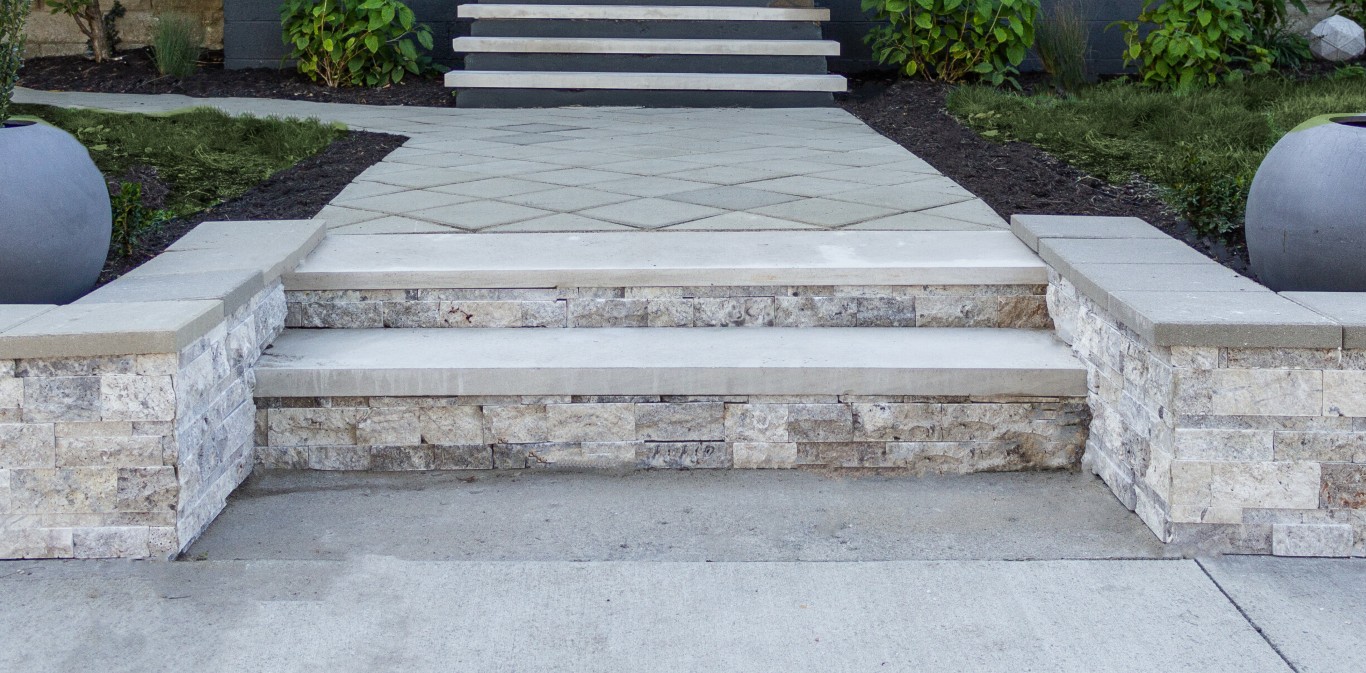
Advanced Little Rock Concrete Company installs sidewalks, walkways, and all types of flatwork for homeowners and commercial properties throughout Little Rock, AR and the surrounding area. Whether you need a simple front walkway or a full concrete flatwork plan across a large property, we handle every part of the job from site prep to final finish.
Flatwork is one of the most common types of concrete work we do, and it is also one of the easiest to get wrong. Surface drainage, base compaction, proper joint spacing, and finish texture all matter. A walkway that holds water, cracks in the first winter, or develops a rough surface that catches shoes is not a walkway that was built right. We do it the right way the first time.
Why Your Walkways and Flatwork Matter More Than You Think
It is easy to overlook the walkways around your home or business, but they do a lot of work. Here is why it is worth investing in properly installed concrete flatwork.
- Safety first: Cracked, uneven, or settled walkways create trip hazards. On a commercial property that is a liability. At home, it is a danger to your family and guests.
- Curb appeal: A clean, well-defined walkway from the street to your front door is one of the first things people notice about your property.
- Property value: Updated flatwork adds to the overall look and perceived value of your home, especially when buyers are comparing properties.
- Drainage control: Properly graded walkways direct water away from your foundation and landscaping instead of pooling where you do not want it.
- ADA accessibility: For commercial and multi-family properties, correctly built walkways help meet accessibility requirements and protect you from compliance issues.
- Low lifetime cost: Concrete walkways last 30 to 40 years with minimal upkeep. Brick or paver alternatives look great but shift, sink, and need re-leveling over time.
Types of Concrete Flatwork We Install
Flatwork covers a wide range of concrete surfaces. Here is what we commonly install for residential and commercial clients in Little Rock.
Front Entry Walkways
The path from your driveway or street to your front door should be safe, level, and wide enough to use comfortably. We form and pour entry walkways that are typically 4 feet wide with a smooth or broom finish, graded to shed water away from the foundation. If you want a more decorative look, we can incorporate a stamped border or textured finish to set it apart.
Side and Rear Property Walkways
Paths from your driveway to a side gate, from your back door to a deck or outbuilding, or around the perimeter of your property all benefit from concrete. It is cleaner than gravel, more durable than stepping stones, and does not wash away in heavy rain the way mulch and soil paths do.
Commercial Sidewalks and Pedestrian Areas
For businesses, retail centers, and multi-unit properties, we install commercial-grade sidewalks to city specifications where required. If you are building out a parking area too, we often combine that work with commercial concrete services to keep the project coordinated and cost-effective.
General Concrete Flatwork
Aprons, landings, utility pads, equipment bases, and other horizontal concrete surfaces all fall under flatwork. If you have a concrete surface that needs to be poured level and finished properly, we can handle it. Many flatwork projects also involve concrete patio work, and we are happy to coordinate both at once when it makes sense.
What Goes Into a Walkway That Holds Up
Here is what separates a walkway that lasts from one that starts cracking and sinking within a few years.
Proper Base and Grading
We excavate the area, compact the soil, and lay a compacted gravel base before any concrete goes down. The base is the foundation of the slab. Without it, the concrete has nothing solid to rest on and it will settle unevenly. We also grade the surface so that water runs away from your home and off the walk, not toward it.
Correct Thickness and Reinforcement
Standard residential walkways are poured at 4 inches thick. For areas with heavier use or challenging soil conditions, we go thicker. Wire mesh or rebar is added when the project calls for it. This is not always required for every walkway, but when the soil is soft or the application is high-traffic, reinforcement makes a real difference in long-term performance.
Joints and Finish
Control joints are cut or formed at regular intervals so the concrete has a planned place to flex as temperatures rise and fall. Without them, random cracking is almost guaranteed. The finish texture matters too. A broom finish is the most common choice because it provides traction in wet conditions. We always review finish options with you before we pour.
Common Questions About Sidewalks and Flatwork
Here are the questions we get most often from property owners planning a walkway or flatwork project.
How wide should a residential front walkway be?
The standard width for a residential front walkway is 3 to 4 feet. A 3-foot walk lets one person move comfortably. A 4-foot walk allows two people to walk side by side without stepping off the edge, which is more comfortable and looks more proportional on larger homes. For main entry paths on commercial properties, we often go wider to allow for higher foot traffic and accessibility compliance. We will look at your specific property and recommend a width that works for the space.
Can you pour a walkway next to existing concrete?
Yes, and we do this regularly. When adding a new walk next to an existing driveway, patio, or other concrete surface, we tie the new section in properly and make sure the grade transitions smoothly between old and new concrete. A small gap is left between the new and existing concrete to allow for independent movement. This is standard practice and prevents the new pour from cracking at the joint where it meets the existing surface.
Do I need a permit to pour a walkway or concrete flatwork?
For most residential walkways and flatwork in Little Rock and surrounding areas, a permit is not required. However, if the work is within a city right-of-way, near a public sidewalk, or part of a larger commercial project, a permit may be needed. We are familiar with local requirements and will let you know during the estimate if a permit applies to your project. We handle the paperwork when it is required so you do not have to deal with it.
Ready for New Concrete Walkways? Let's Talk.
We offer free estimates for walkway and flatwork projects of all sizes across Little Rock and the surrounding area. Give us a call today and let us walk the property with you.
(501) 621-2844