Concrete Slab & Foundation Work
Everything built on top depends on what is underneath. We pour reinforced concrete slabs and foundations in Little Rock, AR that are graded right, built solid, and made to carry the load.
(501) 621-2844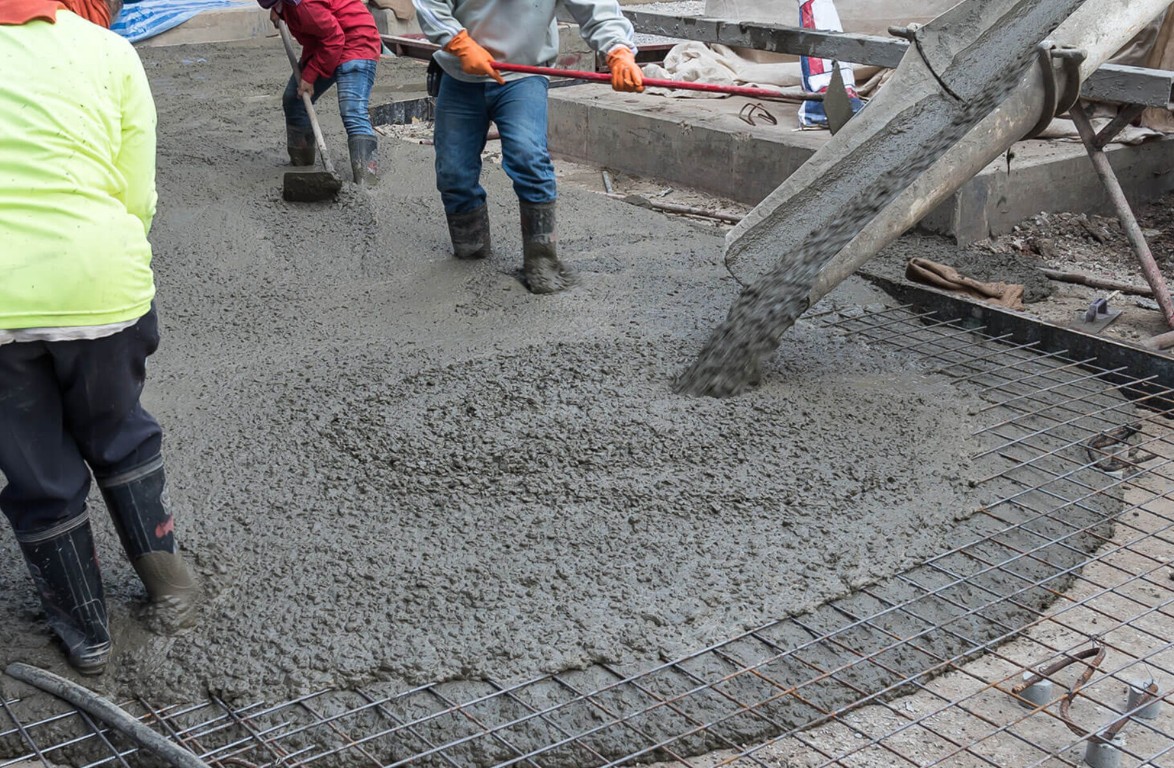
At Advanced Little Rock Concrete Company, we have the experience and equipment to handle concrete slab and foundation work for residential and light commercial projects across Little Rock and the surrounding area. From simple shed slabs to full garage floors and building foundations, we do the prep work right so the finished surface performs the way it is supposed to.
A slab that was poured without proper preparation is one of the most costly problems a property owner can run into. Settling, cracking, and moisture intrusion all trace back to what happened before the first truck showed up. We take base preparation, drainage, and reinforcement seriously on every single job, no matter the size.
Types of Slab and Foundation Work We Handle
Not all slabs are the same. Different structures have different load requirements, drainage needs, and thickness specs. Here is what we work on regularly in the Little Rock area.
- Garage slabs: We pour standard 4-inch residential garage floors as well as thicker 5 to 6-inch slabs for heavy vehicles or home workshops.
- Shed and outbuilding foundations: A proper slab keeps your shed level, dry, and anchored. We size and prep the base correctly for the structure going on top.
- ADU and room addition foundations: Accessory dwelling units and room additions require a foundation that meets code. We work with homeowners and contractors to get it done right.
- Barn and agricultural slabs: Livestock barns, equipment storage, and agricultural buildings need thick, reinforced slabs that can handle weight and moisture year-round.
- Slab-on-grade foundations: For homes built directly on a concrete slab, we ensure proper vapor barriers, reinforcement, and elevation above grade to prevent moisture issues.
- Commercial slabs and warehouse floors: We handle light commercial slab work including warehouse floors, storage facilities, and loading areas with post-tensioned or rebar reinforcement.
What Separates a Good Slab From a Bad One
Let's walk you through what we actually do on every slab job, because this is where the difference between a 5-year slab and a 40-year slab is decided.
Site Grading and Drainage
Water is the enemy of concrete foundations. Before anything else, we grade the area so water drains away from the structure and does not pool underneath the slab. In Little Rock, we get significant rainfall, so this step is critical. Poor drainage leads to soil erosion under the slab, which leads to settling, cracking, and eventually major structural problems.
Compacted Gravel Base
We excavate to the appropriate depth and install a compacted gravel base, typically 4 to 6 inches thick, before any concrete is poured. This base provides drainage, distributes the load evenly, and prevents the slab from shifting as the soil beneath expands and contracts with moisture and temperature changes. Skipping or thinning this layer is the single most common shortcut we see on failed slabs.
Steel Reinforcement
Concrete is strong under compression but weak in tension, meaning it resists being squeezed but can crack when it flexes. Rebar or welded wire mesh embedded in the slab gives it the tensile strength to resist cracking under load. For higher-load applications, we use a tighter rebar grid or heavier bar diameter. The reinforcement is set at the correct height within the slab, not just laid on the ground where it provides minimal benefit.
Vapor Barrier and Thickness
For slabs that will be inside a building or under a finished floor, we install a plastic vapor barrier before the pour to block ground moisture from migrating up through the concrete. Slab thickness is determined by the intended load. Standard residential slabs run 4 inches. Heavier loads call for 5 or 6 inches. We never shave thickness to save a little on concrete, because a slab that fails under load costs far more to fix than the savings are worth.
Working with General Contractors and Builders
If you are a general contractor or builder in the Little Rock area, we are set up to work as your concrete subcontractor for slab and foundation work. We show up on time, communicate clearly, and get the pour done so you can keep your schedule. We understand that your next trade is waiting on us, and we take that seriously.
We also work directly with homeowners who are managing their own projects. If you are building a garage, a shop, a barn, or an addition and need a licensed concrete contractor to handle the slab, give us a call. We will coordinate with your other trades and make sure the foundation is ready when you need it.
For large commercial slab projects, our commercial concrete services team handles the planning, coordination, and execution for big pours with tighter specs and schedules. And once your slab is poured, if you are looking for a professional finish on the floor surface, our garage floor and epoxy coating services can take it the rest of the way.
Common Questions About Concrete Slabs and Foundations
Here are the questions we get most often when homeowners and builders are planning a new concrete slab.
How thick should a concrete slab be?
For most residential applications like garage floors, sheds, and outbuildings, 4 inches is the standard minimum. If the slab will carry heavier loads, like large vehicles, machinery, or a structure with significant weight, we recommend going to 5 or 6 inches. Thicker slabs cost more upfront but are much more resistant to cracking and settling. We assess the intended use during the estimate and recommend the right thickness for your specific situation.
How long does a concrete slab take to cure?
Concrete begins to harden within hours of being poured, but it is not fully cured for about 28 days. For most slabs, you can walk on the surface within 24 to 48 hours and start light use within a week. We always advise waiting the full cure period before placing heavy loads on the slab or starting construction on top of it. Rushing this step causes surface damage and weakens the structural integrity of the slab. We will give you a specific timeline for your project before we start.
Do I need a permit for a concrete slab in Little Rock?
It depends on the size and use of the slab. In Little Rock and most surrounding cities, a permit is generally required for slabs that will support a structure, like a garage, ADU, or room addition. Smaller utility slabs and shed floors may or may not require a permit depending on the jurisdiction. We recommend checking with the City of Little Rock Building Services before we start. We can help you understand what is typically required and point you in the right direction, though pulling permits is the responsibility of the property owner or general contractor.
Need a Slab or Foundation Poured? Let's Talk.
We offer free written estimates for all concrete slab and foundation projects in Little Rock and the surrounding area. Call us today and we will get out to your site fast.
(501) 621-2844