Retaining Walls & Concrete Masonry
A properly built retaining wall protects your property from erosion and soil movement while adding usable space and clean structure to your landscape in Little Rock, AR.
(501) 621-2844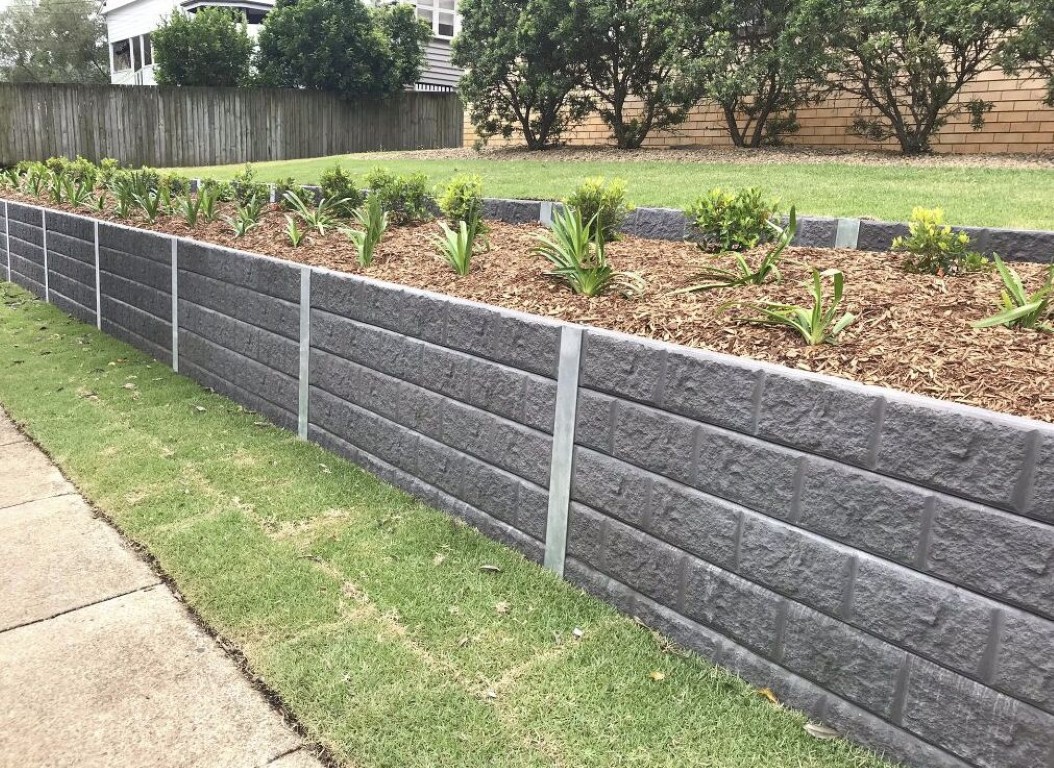
At Advanced Little Rock Concrete Company, we build retaining walls and concrete masonry structures throughout Little Rock, AR and the surrounding Central Arkansas area. Whether you need a low decorative garden wall, a structural wall to hold back a hillside, or a tiered system to reclaim sloped yard space, we have the crew and the experience to do it right.
Retaining walls are one of those projects where the visible portion is only half the story. What happens behind and beneath the wall is what determines whether it holds up over time. Drainage, footing depth, batter, and proper compaction of the backfill are every bit as important as the wall material itself. Getting any one of those wrong is how walls crack, lean, and eventually fail.
Signs You May Need a Retaining Wall
Retaining walls are not just for large or dramatic slopes. Here are some common situations in the Little Rock area where a wall is the right solution.
- Sloped yard losing soil in rain: If mulch, soil, or gravel washes down your yard every time it rains, the slope needs to be stabilized before the problem gets worse.
- Driveway or walkway close to a drop-off: A wall at the edge of a cut or fill slope protects the edge from eroding and keeps your hardscape from undermining over time.
- Terracing a steep backyard: Tiered retaining walls can convert a difficult slope into usable flat areas for gardens, patios, or lawn space.
- Foundation exposure on a hillside: If soil is eroding away from the base of your home or garage, a wall further down the slope can stop that process.
- Existing wall leaning or cracking: A wall that is starting to bow, separate at the joints, or crack at the face is under stress and needs attention before it fails completely.
- Creating defined landscape beds: Lower decorative walls add structure and definition to landscape planting areas and prevent lawn mowers from pushing soil into beds.
If you are not sure whether a wall is the right fix for your situation, just call us. We will come out, look at the site, and give you an honest read on what will and will not solve the problem.
Types of Retaining Walls We Build
The right wall type depends on the height of the wall, the load behind it, the look you want, and your budget. Here is a rundown of the main options we offer.
Concrete Block Retaining Walls
Segmental concrete block walls are one of the most popular choices for residential properties. They install quickly, come in a variety of textures and colors, and perform well for walls up to about 4 feet in height without engineered design. The interlocking block system gives them good structural stability, and the look works well with most landscaping styles.
Poured Concrete Retaining Walls
For walls over 4 feet or walls that need to hold back significant loads, poured concrete is often the strongest choice. A poured wall is monolithic, meaning no joints to separate over time, and it can be designed with a footing to handle virtually any height with the right reinforcement. These walls can also be formed in a variety of surface textures, including board-formed wood grain patterns and smooth finishes. For projects that also include a concrete slab or foundation, we often combine the scope to save on mobilization and formwork costs.
Concrete Masonry Unit (CMU) Walls
Standard concrete block, also called CMU, is commonly used for taller structural walls, site boundary walls, and commercial applications. CMU walls can be reinforced with rebar and filled with grout to create a very strong structural system. They are a common choice for commercial retaining applications or anywhere that load capacity and cost efficiency are the primary concerns. These also pair well with concrete driveway and parking lot work when we are building out a full site.
What a Properly Built Retaining Wall Actually Involves
Let us walk you through the key steps that separate a wall that holds for decades from one that leans and cracks in a few years.
Excavation and Footing
Every wall starts below grade. We dig out the base of the wall location, compact the soil, and set a gravel or concrete footing that the wall rests on. The footing must be below the frost line in climates where the ground freezes. In Arkansas we have milder winters, but proper footing depth still matters for stability. Skipping this step and just starting the wall at ground level is one of the most common mistakes we see on failed DIY and low-quality contractor walls.
Drainage Behind the Wall
Water pressure is the number one enemy of retaining walls. When rainwater soaks into the soil behind a wall with no drainage path, that water becomes hydraulic pressure pushing against the wall. We install a drainage aggregate layer behind the wall and, on taller walls, a perforated pipe to carry water away from the base. Weep holes or open joints allow water to escape at the face of the wall. Done right, drainage keeps water pressure from building up and threatening the wall's stability over time.
Batter and Backfill Compaction
Most retaining walls are built with a slight backward lean into the hillside called batter. This lean uses gravity to counteract the pressure of the soil behind the wall. As we build up the wall, we backfill in lifts and compact each layer thoroughly. Loose backfill settles over time, and that settlement puts uneven stress on the wall. Proper compaction prevents that movement and keeps the wall plumb over the years.
Common Questions About Retaining Walls
Here are the questions we hear most from property owners thinking about building or replacing a retaining wall.
How tall can a retaining wall be without a permit or engineer?
In most jurisdictions in Arkansas, retaining walls under 4 feet in height measured from the bottom of the footing can be built without a permit or engineered drawings. Walls over 4 feet, walls near property lines, or walls with a surcharge load behind them such as a driveway or structure typically require a permit and may require a stamped engineering drawing. We are familiar with local requirements and will let you know during the estimate if your project needs a permit. We handle the submission process when a permit is required.
Can a retaining wall be repaired or does it need to be replaced?
It depends on the condition and the type of wall. Minor cracks in a poured concrete wall can often be injected and sealed. A segmental block wall where a section has shifted can sometimes be disassembled and relaid with improved drainage behind it. However, if a wall has leaned significantly, lost its footing, or has extensive cracking throughout, replacement is usually more cost-effective than repair. We assess existing walls and give you our honest evaluation of whether repair will hold or whether you are better off starting fresh.
How long does a concrete retaining wall last?
A properly built concrete or CMU retaining wall can last 50 years or more. Segmental block walls with good drainage and proper installation typically last 20 to 30 years before any significant maintenance is needed. The biggest factors in wall longevity are drainage quality, footing depth, and the quality of the original installation. Walls that were built without proper drainage or on inadequate footings will fail much sooner regardless of material. That is why we put as much effort into the parts you cannot see as the parts you can.
Ready to Stop the Erosion? Call Us.
We offer free estimates for retaining wall and concrete masonry projects throughout Little Rock and Central Arkansas. Give us a call and we will come out to assess your site.
(501) 621-2844