Loading...
Serving Little Rock, AR and surrounding areas. (501) 621-2844
Advanced Little Rock Concrete Company serves Little Rock homeowners with concrete driveway building, patio construction, and foundation work. We are based here, we know the clay soil and the neighborhoods, and we respond within one business day.
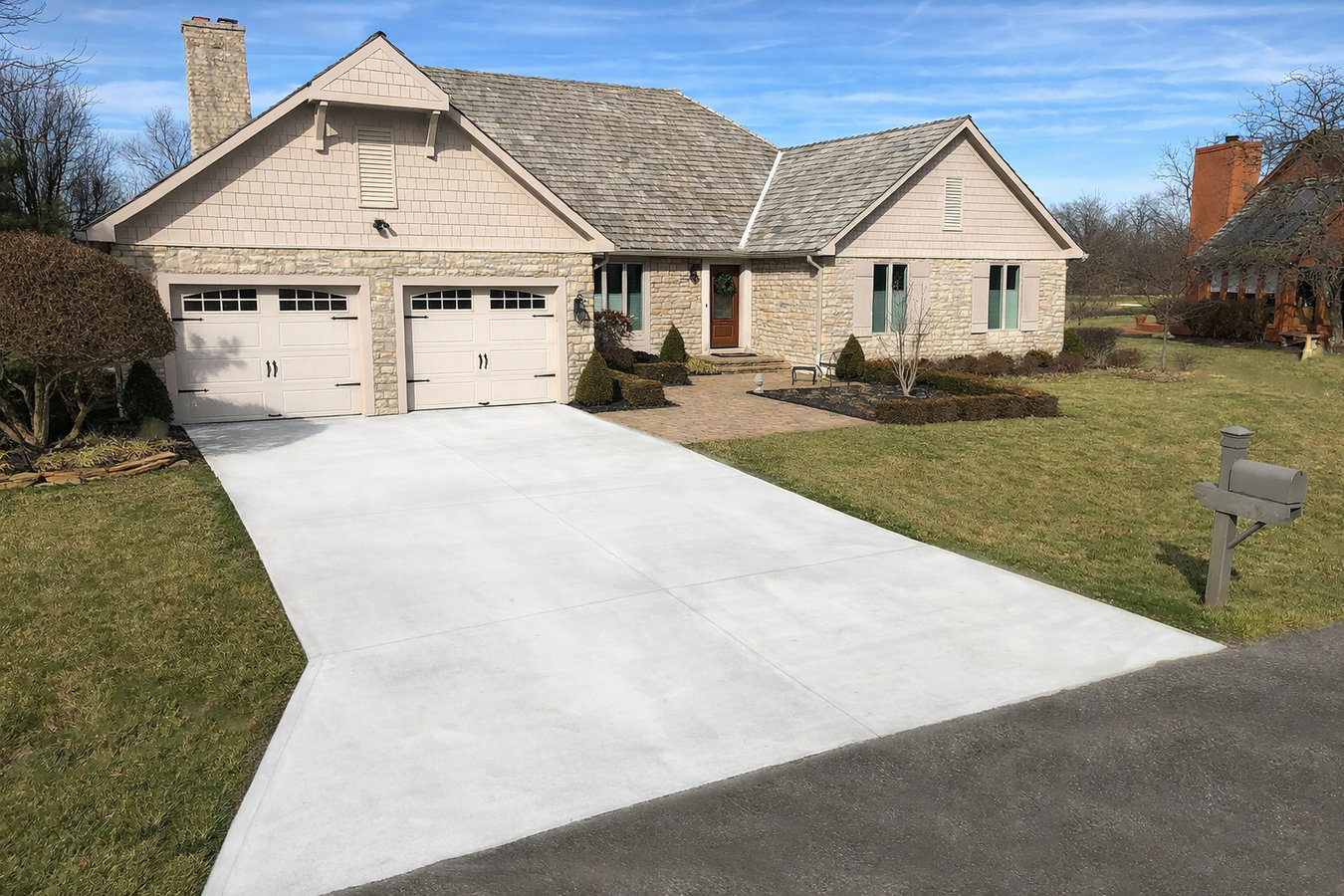
Little Rock driveways take a beating from clay soil movement and winter freeze-thaw cycles. A properly poured driveway with the right base depth and control joints can last 30 or more years here. We build concrete driveways for all types of Little Rock properties, from older brick ranches in Broadmoor to newer homes in Chenal Valley.
Little Rock summers are long and hot, and a well-built concrete patio is one of the best ways to make use of your yard. Homeowners in neighborhoods like the Heights and Hillcrest often want patios that match the character of their older homes, and we have experience building flatwork that fits those properties.
Many of the newer subdivisions in West Little Rock are built on slab foundations. Whether you are adding a room, building a new structure on your property, or replacing a damaged slab, getting the foundation right in Little Rock clay requires experience with local soil conditions and proper sub-base preparation.
Little Rock has a lot of sloped yards, particularly in Hillcrest and the Heights where older homes sit on hilly terrain. Concrete retaining walls manage erosion and create usable yard space. Getting drainage right behind a retaining wall is especially important here given the heavy spring rainfalls the city receives.
Older Little Rock neighborhoods often have sidewalks that have heaved and cracked over decades of freeze-thaw cycling and tree root growth. New concrete sidewalks improve safety and curb appeal and are often required when a homeowner sells or renovates a property in established neighborhoods.
In neighborhoods like the Quapaw Quarter where homes have real architectural character, decorative stamped concrete can be a good match for patios, walkways, and pool decks. Stamped concrete gives you the look of stone or brick at a lower cost with less long-term maintenance than real masonry.
Little Rock sits on expansive clay soil, and that single fact drives most of the concrete repair and replacement work in this city. Clay swells when it absorbs water during wet winters and springs, then shrinks and pulls back during hot, dry summers. That cycle happens every single year, and every year it puts stress on driveways, walkways, foundations, and slabs. Homeowners here deal with cracked flatwork not because their concrete was poured badly, but because the ground underneath it is always moving. A contractor who does not account for that from the start - through proper base depth, good compaction, correct joint placement, and adequate drainage - is setting you up for early failure.
The age of Little Rock's housing stock adds another layer of complexity. Many neighborhoods - Hillcrest, the Heights, Pulaski Heights, and the Quapaw Quarter - have homes built between the 1900s and 1970s. Foundations on homes this age have often settled in ways that affect how new flatwork connects to the structure. Older utility lines run under driveways and sidewalks in patterns that newer contractors do not always know about. Little Rock winters are mild most of the time, but the back-and-forth between above-freezing and below-freezing temperatures that happens several times each winter is exactly what cracks concrete and loosens mortar. These are the conditions a contractor who has worked here for years understands from experience.
Our crew works throughout Little Rock regularly, and we understand the local conditions that affect concrete work here. We pull permits through the Little Rock Department of Planning and Development for work that requires them, and we have experience with the permit timelines and inspection requirements the city uses. Whether a job is in Chenal Valley, Broadmoor, or right downtown near the river, we know what to expect on site.
Little Rock is a city of distinct neighborhoods, and the homes in each one call for different approaches. Older brick homes in Hillcrest and the Heights often sit on foundations that have settled over 70 or 80 years, and new flatwork near those structures has to account for that. Newer subdivisions off Chenal Parkway and Kanis Road have their own set of site conditions - mostly younger slab construction on graded lots where drainage patterns matter a lot. We have also worked on commercial and multi-family properties throughout Little Rock, including properties near the University of Arkansas at Little Rock campus on South University Avenue and along the Markham Street and Cantrell Road corridors.
We serve homeowners across the metro. If your property is on the north side of the river, our North Little Rock service covers that area as well, and we regularly work across both sides of the Arkansas River on the same day. We also serve communities south of the city including Benton.
Reach out by phone or through the contact form and describe what you need. We reply within one business day and can usually get an assessment scheduled within a few days of your first contact.
We visit your property in Little Rock to look at the site conditions, check drainage, and review any access issues. The estimate is free and itemized - you will see exactly what the job involves before you commit to anything.
Once you approve the estimate, we schedule the work around weather and your availability. For most residential concrete jobs in Little Rock, the pour and finishing happen in a single day, with a clear timeline given to you before we start.
After the work is done, we walk you through the site, explain the cure timeline for Little Rock conditions, and give you specific guidance on when to use the surface. We do not leave a job without making sure you know what to expect in the days that follow.
We serve Little Rock homeowners across every neighborhood - from Hillcrest and the Heights to Chenal Valley and beyond. Free estimates, no pressure, one business day response.
(501) 621-2844Little Rock is the capital of Arkansas and home to about 202,000 people, making it the largest city in the state. It sits on the south bank of the Arkansas River, connected to North Little Rock across the river by several bridges and the Big Dam Bridge pedestrian crossing. The city has a metro area of roughly 750,000 people and serves as the center for state government, healthcare, and several major employers. Landmarks like Little Rock Central High School National Historic Site and the Clinton Presidential Center draw visitors from across the country, while Riverfront Park and the Arkansas River Trail are everyday gathering spots for residents.
The city's neighborhoods feel genuinely different from one another. The Quapaw Quarter near downtown has some of the oldest Victorian and craftsman homes in the state, many built between the 1880s and 1930s. Hillcrest and the Heights are known for tree-lined streets, older brick homes, and a dense residential character. West Little Rock contains newer subdivisions like Chenal Valley with brick-veneer homes built from the 1980s onward. That range of housing age and style means different concrete challenges in each area - older foundations and settled flatwork in established neighborhoods, and drainage and clay soil management in newer developments. Communities to the south, including Bryant, share many of the same soil and weather conditions as Little Rock.
Get a durable, professionally finished concrete driveway built to last.
Learn MoreSafe, code-compliant concrete sidewalks installed for any property.
Learn MoreSolid concrete retaining walls that control erosion and add structure.
Learn MoreLevel, long-lasting concrete floors for residential and commercial spaces.
Learn MoreDurable concrete parking lots built for high-traffic commercial use.
Learn MoreGet a free, itemized estimate for your Little Rock project. Call today or send a message - we respond within one business day and are ready to start.