
Loading...
Serving Little Rock, AR and surrounding areas. (501) 621-2844
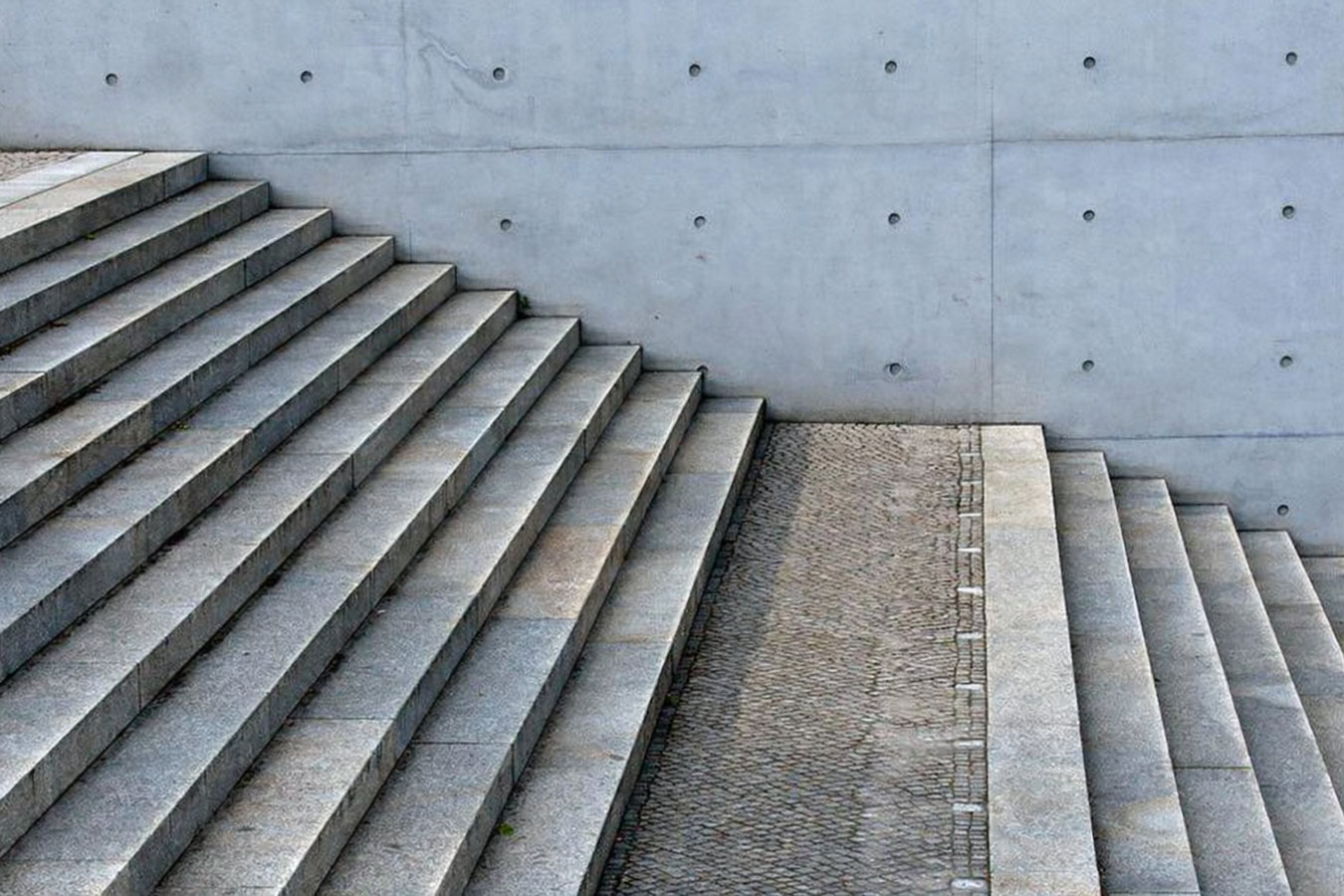
Cracked or tilted entry steps are more than an eyesore - they are a safety hazard. We build concrete steps that stay level through Little Rock's clay soil movement and grip through every ice storm.
Concrete steps construction in Little Rock involves demolishing the old steps, digging out to stable ground, packing a gravel base, building wood forms, placing steel reinforcement, and pouring - most residential entry step jobs wrap in one to two days of active work, with a full cure taking about 28 days.
Your front entry steps are the first thing anyone sees when they approach your home, and they are the most-used surface on your property. When they crack, tilt, or start crumbling, the problem rarely fixes itself - it usually gets worse each winter as ice works into the cracks and each spring as the clay soil shifts below the base. Older homes in neighborhoods like Hillcrest and the Heights often have original steps from the mid-20th century that are well past their useful life. If you are planning nearby exterior work, our concrete retaining walls service can address slope issues at the same time.
Advanced Little Rock Concrete Company builds concrete steps throughout Little Rock and the surrounding metro. We handle permits, prep the base properly for local clay conditions, and finish every surface with the kind of texture that keeps your entry safe in an Arkansas ice storm.
If you can see cracks wider than a hairline - especially ones that go all the way through a step or along the edge - the structural integrity is compromised. In Little Rock's clay soil, these cracks often grow as the ground shifts with seasonal moisture changes. Small surface cracks can sometimes be patched, but cracks that go deep or keep reopening usually mean replacement is the right call.
If your steps no longer sit level, or if you can see a gap opening between the steps and your front door threshold, the base beneath them has moved. This is common in central Arkansas because the clay soil expands and contracts with rainfall and drought. Tilted steps are also a tripping hazard, especially for older family members or guests not expecting the uneven surface.
When the top layer of concrete starts to peel away in thin flakes or chunks - called spalling - it usually means the surface was damaged by repeated freeze-thaw cycles. Little Rock's occasional hard freezes and ice storms accelerate this process on steps that were never sealed. Once spalling starts, it tends to spread, and patching it is usually a short-term fix at best.
Many homes in Hillcrest, the Heights, and Pulaski Heights still have their original concrete steps from the mid-20th century. Even if they look okay on the surface, the steel reinforcement inside may have rusted and expanded, causing invisible internal cracking. A contractor can assess in person whether repair or full replacement makes more sense for your specific situation.
We pour new concrete entry steps for front, side, and rear entries - from simple two-riser stoops to wider multi-step entries with landings. Every set of steps we build includes steel reinforcement inside the form, a broom-finished surface for slip resistance, and a gravel base compacted down past the unstable clay layer. We also handle full demolition of old steps, hauling away all debris before the new pour begins. If your entry includes a small landing or a transition between grade levels, our slab foundation building service can extend the flat area as part of the same project.
For homeowners replacing original steps on an older Little Rock home, we take the time during demolition to look at what was underneath - soil conditions, foundation edge detail, and grade - before the forms go in. If something unexpected turns up, we flag it before the pour rather than after. That conversation is part of how we keep projects on budget and on schedule.
Suits homeowners replacing worn original steps or adding a proper entry to a home that never had one.
Ideal for garage entries, basement access points, or back doors that need a safe, level approach.
Best for homes where the grade change requires a flat rest point between levels - common in older Little Rock neighborhoods.
Little Rock's clay-heavy soil is the main culprit behind steps that crack, shift, or pull away from the house within a few years of being poured. That soil swells when it absorbs water during spring rains and shrinks back during the hot, dry summers - a cycle that happens every year and puts constant pressure on any concrete poured on top of it without a proper base. The mild but unpredictable winters add another layer of stress: even a handful of freeze-thaw events in a single season can widen surface cracks and loosen mortar. The Portland Cement Association provides guidance on concrete mix design and curing practices that are particularly relevant for climates with freeze-thaw exposure like ours.
We work throughout the Little Rock metro, including North Little Rock and Jacksonville, where homes face the same soil conditions and the same winter ice risks. Spring and fall are the best windows for this kind of work - cooler temperatures let the concrete cure more evenly, and you avoid the summer heat that rushes the surface dry before the inside has time to strengthen.
We reply within one business day. We will ask a few basic questions about the entry, then schedule a free on-site visit to measure and look at the existing steps before giving you a written quote - no guessing over the phone.
We let you know upfront whether your project needs a city permit and handle the application ourselves. Once that is squared away, we confirm a start date and make sure you know what access to plan around.
The crew removes the old steps, digs out to stable ground, packs in a gravel base, and sets the wood forms. This is the most important part of the job - it is what keeps your new steps level for decades instead of shifting within a few years.
Concrete is poured, the surface is finished with a broom texture for grip, and the forms come off after a day or two. We recommend sealing about 30 days after the pour and walk you through what to do so the surface stays protected through Little Rock winters.
Free estimate, no obligation. We come out, look at the site, and give you a clear price before any work starts.
(501) 621-2844Little Rock's expansive clay soil is the main reason steps fail early. We dig down past the unstable layer, compact a gravel base, and give the concrete a foundation that handles seasonal soil movement. That prep work is what separates steps that last 30 years from steps that crack in five.
Every set of steps we build gets a broom-finished surface - a slightly textured top that gives bare and booted feet real grip. This is especially important for Little Rock entries during ice storms. It is a standard part of how we work, not an upgrade you have to ask for.
We know which Little Rock projects require a city permit and handle the application ourselves. You get a job that is inspected, on record, and legally documented - which matters when you sell your home. If a contractor tells you permits are not needed for structural entry steps, that is a red flag.
Replacing steps on a home built before 1970 sometimes reveals foundation or grade issues. We flag anything we find before the pour, not after, so you stay in control of the decision. The{' '}American Society of Concrete Contractors holds its members to the same standard of transparency we follow on every job.
The American Society of Concrete Contractors sets best practices for concrete flatwork and structural pours that we follow on every project. Those standards, combined with preparation matched to local soil conditions, are why the steps we build hold up through years of Arkansas weather.
New concrete slab foundations poured on a properly prepared base, suited for garages, additions, and new construction in the Little Rock area.
Learn MoreRetaining walls engineered for Little Rock's clay soil, with drainage built in so slopes stay stable through every wet season.
Learn MoreSpring and fall booking windows fill fast - reach out now so your entry is solid, level, and ready before the next ice storm season.