
Loading...
Serving Little Rock, AR and surrounding areas. (501) 621-2844
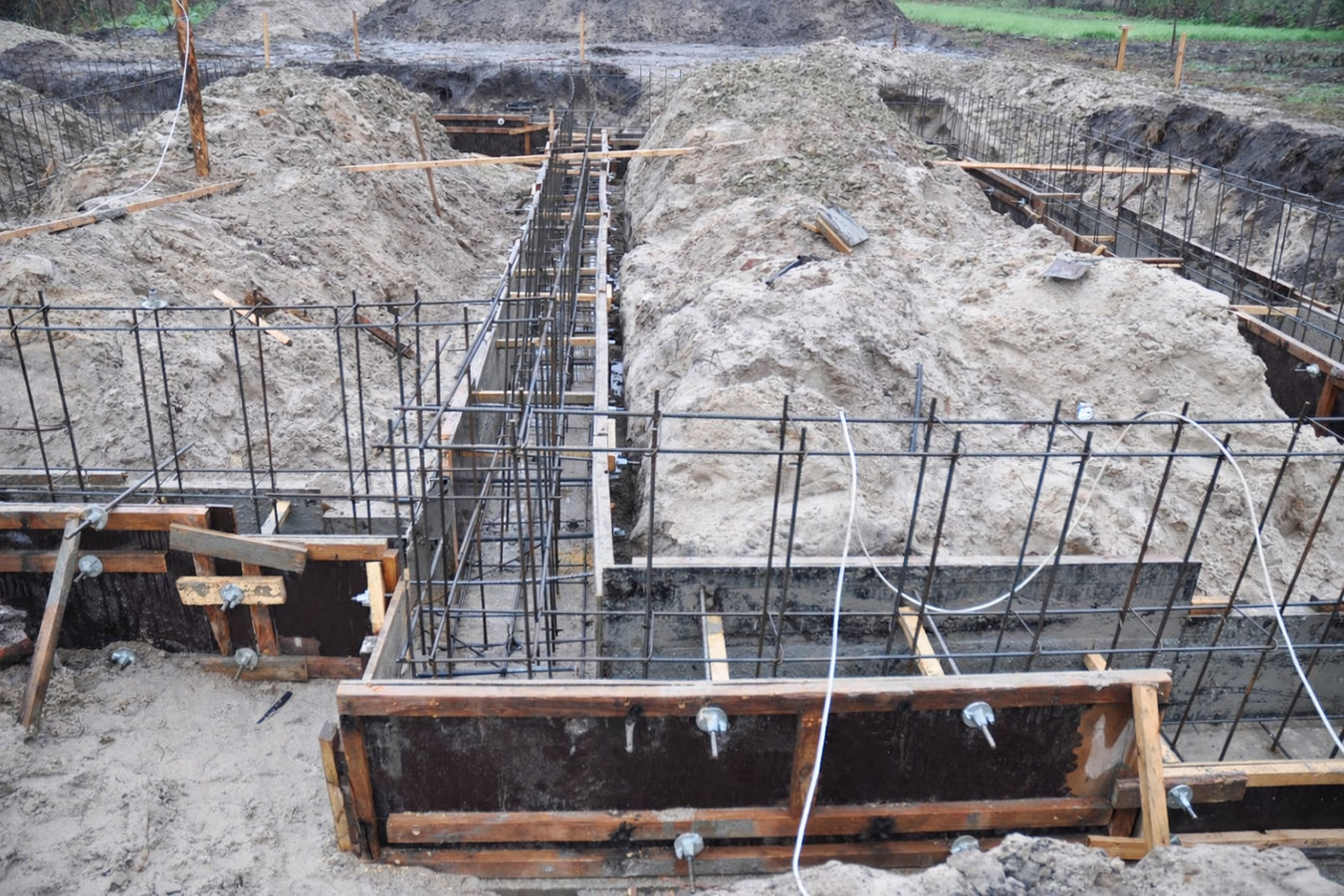
Building a deck, addition, or outbuilding in Little Rock? The footings underneath are what keep everything level for decades - or what lets it shift and crack in a few years. We dig to the right depth for local clay soil and frost conditions, handle city permits, and have the work inspected before any concrete goes in.
Concrete footings in Little Rock are the buried base piers or pads that carry the load of structures above them - decks, porches, additions, garages, and outbuildings - transferring that weight into stable ground, with most residential projects completed in one to two days once permits are approved and curing time factored in over the following week.
Think of a footing as the foot of a table leg: if it moves, everything above it moves with it. In Little Rock, the clay-heavy soil that runs through much of the city expands when it absorbs rain and shrinks as it dries out - a cycle that repeats every season. A footing that is not sized and placed with that movement in mind will shift over time, pulling your deck away from the house, racking your garage frame, or cracking your porch slab. The problem is that you cannot see a footing once it is buried, which is exactly why the work before the pour - depth, forming, and the city inspection - matters so much. If your project involves a broader concrete base rather than individual piers, our foundation installation service covers full slab and wall foundations for larger structures.
Advanced Little Rock Concrete Company pours concrete footings for homeowners throughout Little Rock and the surrounding metro. We handle permits through the City of Little Rock's Building Codes Division, call 811 before any digging starts to have underground utilities marked, and schedule the required city inspection so an independent set of eyes confirms the work before it gets buried.
If you can see a gap opening between your deck and the exterior wall, or if the deck surface has started sloping noticeably, the footings underneath may have shifted. In Little Rock, this is often caused by clay soil expanding and contracting through multiple seasons. This kind of movement does not fix itself - it tends to get worse each year the soil goes through its wet-dry cycle.
Any new structure attached to your home or built on your property needs footings before anything else can happen. This is not optional - it is the first step in the building process and the city will require it as part of the permit. Getting a footing estimate early helps you understand the full project cost before committing to other elements.
Diagonal cracks - especially ones wider at one end than the other - can signal that part of your home's foundation is moving. In Little Rock's clay-heavy soil, these cracks often appear after a period of alternating wet and dry weather. If you are seeing cracks like this, a concrete contractor can assess whether the issue starts at the footing level and what the options look like.
Older sheds, garages, and porches in Little Rock's established neighborhoods were sometimes built without footings that meet current standards - or without footings at all. If you are rebuilding or expanding, or a previous addition is showing signs of settling, starting fresh with properly sized footings is the right call before building anything new on top.
We pour concrete footings for residential projects of all sizes throughout Little Rock and the surrounding metro. Deck footings, porch column bases, covered patio supports, detached garage foundations, and outbuilding piers are the most common requests, but we also work on addition foundations that require continuous footings along a load-bearing wall rather than individual piers. Every project starts with the site visit: we assess the soil, check for slope and drainage conditions, and confirm the layout before any hole is dug. Then we handle the permit application through the City of Little Rock's Building Codes Division and schedule the pre-pour inspection so a city inspector can confirm depth and size before concrete goes in - protecting you with an independent checkpoint that is genuinely in your interest. For projects that need broader structural support, our foundation installation service handles full slab and perimeter wall foundations, and the foundation raising service addresses existing structures that have settled and need to be lifted and re-leveled.
In older Little Rock neighborhoods - Hillcrest, the Heights, Pulaski Heights, and similar areas - we take extra care before digging because of mature tree root systems, older utility lines, and soil that has gone through decades of seasonal movement. Calling 811 to mark underground utilities is required by Arkansas law before any excavation, and we do it without being reminded. The American Concrete Institute publishes guidance on footing design and concrete construction for anyone who wants to read further on industry standards.
Suits homeowners adding or replacing a deck, covered porch, or pergola - individual concrete piers dug to the correct depth and sized for the load above.
Best for room additions, detached garages, or any new structure that requires a continuous or spread footing along a load-bearing wall perimeter.
Ideal for sheds, workshop slabs, carports, and accessory structures that need individual concrete footings to keep the structure level through seasonal soil movement.
Little Rock's expansive clay soil is not a background detail - it is one of the main reasons footing failures happen here. The clay swells when it soaks up rain and shrinks when the ground dries out, and it does this repeatedly through every season. A footing dug too shallow or sized for less challenging ground will move with that soil, and once a footing starts moving, the structure above it follows. The City of Little Rock sets minimum footing depths through its building code specifically to account for frost and soil movement, and a contractor who knows these requirements will use them as a baseline - not as a maximum to argue down. Property owners in North Little Rock face the same clay soil conditions and benefit from the same locally calibrated approach.
Older neighborhoods in Little Rock add another layer of complexity. Homes in areas like Hillcrest, the Heights, and the Quapaw Quarter have mature trees with deep root systems that can be close to where footings need to go, and older utility lines that may not appear on standard mapping. Before any digging on these sites, underground utilities must be marked - in Arkansas, this is required by law, and we call 811 on every project without exception. Summer heat also matters: Little Rock temperatures regularly climb into the 90s from June through September, and fresh concrete poured in extreme heat can develop surface cracks if the mix sets too fast. We schedule pours for early morning during hot months and take protective steps when the forecast is challenging. Homeowners in Benton and surrounding communities are within our regular service area and face similar seasonal and soil conditions.
We respond within one business day. A few questions about what you are building, where on your property it will go, and whether permits have been discussed helps us come to the site visit prepared rather than starting from scratch.
We visit your property, check the soil conditions, measure the site, and assess anything that could affect the work - tree roots, slope, utility proximity. You receive a written estimate covering excavation, forming, the pour, and permit fees with no vague line items.
We apply for the building permit through the City of Little Rock's Building Codes Division. Processing typically takes a few business days to a couple of weeks depending on current city workload. We call 811 to have underground utilities marked before any digging starts.
The crew digs to the required depth, sets forms, and schedules the city inspection before the pour. Once the inspector signs off, concrete goes in, the area is cleaned up, and we confirm the curing timeline with you in writing before we leave the site.
We handle the permits, call 811 before any digging, and have a city inspector sign off before concrete goes in. Call us or submit your project details online - we respond within one business day.
(501) 621-2844We account for Little Rock's expansive clay conditions when sizing and placing every footing - not applying a standard formula that ignores what is actually in the ground. The depth we dig and the dimensions we use are matched to the load above and the soil behavior below, so the footing holds up through seasonal swelling and shrinking.
We handle the permit application through the City of Little Rock's Building Codes Division and schedule the pre-pour inspection on every structural footing project. That means an independent city inspector confirms the depth and size before anything gets buried - a protection most homeowners do not realize they are entitled to.
Underground utility marking through Arkansas One Call is required by state law before any digging, and we call before every project - not just the ones where we think lines might be close. In older Little Rock neighborhoods especially, utility lines are not always where maps suggest they should be, and we do not guess.
Every estimate breaks down labor, materials, permit fees, and any site-specific factors in plain language. We have completed footing projects across Little Rock neighborhoods - including areas with the challenging clay and mature-tree conditions that older parts of the city present - and we can point you to local work on request.
Taken together, these practices mean your footings are sized correctly, inspected independently, and placed in ground that has been assessed - not assumed. You can verify contractor licensing status in Arkansas at any time through the Arkansas Department of Labor and Licensing.
Foundation raising for Little Rock homes where settling or clay soil movement has caused uneven floors, sticking doors, or visible structural shifts.
Learn MoreFull foundation installation for new construction, home additions, and replacement foundations on existing Little Rock properties, with permit management and drainage planning included.
Learn MoreSpring and fall booking slots fill quickly - reach out now for a written estimate before the best weather windows are gone.