
Loading...
Serving Little Rock, AR and surrounding areas. (501) 621-2844
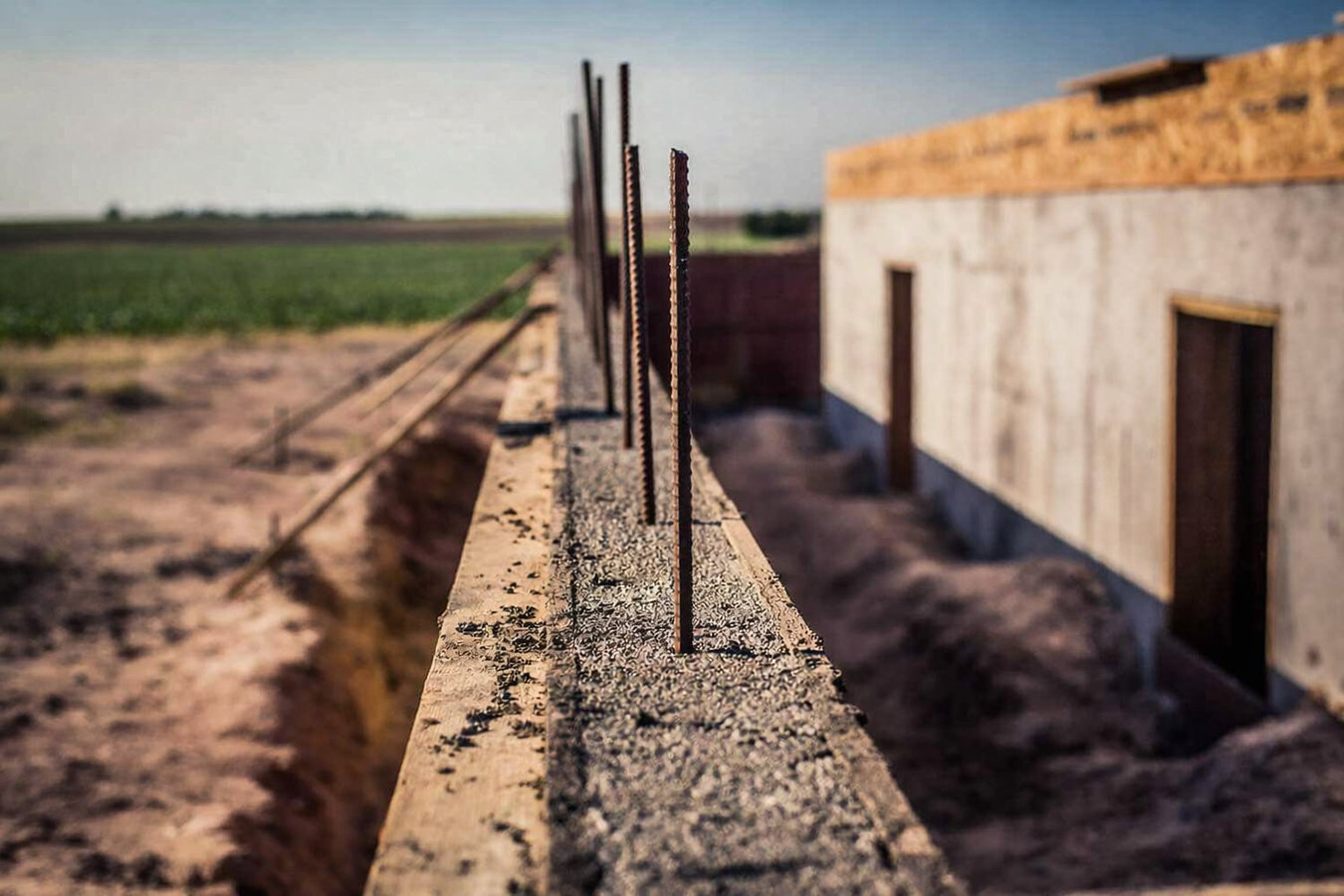
Sunken driveways, settled patios, and dropped garage floors do not always need to be torn out and replaced. Foundation raising lifts the existing slab back to level in one to two days - for a fraction of the cost of full replacement. We assess the cause first so the fix actually holds.
Foundation raising in Little Rock is the process of lifting a settled concrete slab back to its original level position by pumping material underneath it through small drilled holes - most residential jobs take one to two days and leave the surface ready to use within hours, at a cost well below full concrete replacement.
If you have noticed that your driveway dips in one spot, your patio has pulled away slightly from the house, or your garage floor has a corner that keeps collecting water, the slab has almost certainly settled. In Little Rock, the most common cause is the expansive clay soil that runs through most of the metro area - it swells with rain, shrinks in summer heat, and that constant movement creates voids under concrete over time. Foundation raising fills those voids and restores the surface. If you are dealing with a situation where the slab has cracked or shifted badly enough that full replacement makes more sense, our slab foundation building service covers new pours from the ground up.
Advanced Little Rock Concrete Company provides foundation raising throughout Little Rock and the surrounding metro. We assess the cause of the settling before recommending a method, explain what we find in plain language, and give you a written estimate before any work begins.
When a foundation shifts, the door frames and window frames shift with it - even slightly. If a door that used to swing freely now drags on the floor or a window that opened easily now sticks, that is often one of the first signs that something has moved underneath. This is especially common in Little Rock homes after a dry summer, when the clay soil contracts and the foundation drops.
Walk along the edges of rooms on your ground floor and look for gaps where the baseboard meets the floor, or where the floor seems to pull away from the wall. These gaps appear when one part of the slab settles faster than another. In older Little Rock homes, this kind of uneven settling is common and tends to get worse over time if left alone.
Small hairline cracks in concrete are normal. But if you notice cracks that are growing wider over months, or where one side of the crack is noticeably higher than the other, that is a sign the slab has shifted. Little Rock's clay soil expands and contracts with every rain cycle, and that movement shows up in outdoor concrete first.
If you notice water sitting against your foundation after a rainstorm - especially in spots where it did not used to collect - that is a warning sign. A settled slab can redirect water toward your home instead of away from it. Given Little Rock's wet winters and spring storm season, this kind of drainage problem can accelerate soil erosion and make the settling worse over time.
We raise settled concrete slabs on driveways, patios, garage floors, walkways, pool decks, and interior floor slabs throughout Little Rock. The two main methods we use are mudjacking - pumping a cement-and-soil slurry beneath the slab through drilled holes - and polyurethane foam injection, which uses an expanding foam that cures within minutes and adds very little weight to the soil below. Both methods are effective; the right choice depends on your slab, your soil conditions, and what caused the settling in the first place. We explain the options and recommend the one that fits your situation. For homeowners whose slabs are too deteriorated to raise, our concrete cutting service can remove damaged sections cleanly so a proper repair or replacement pour can follow.
Every job starts with an on-site assessment. We look at the slab from above, check drainage patterns around your home, and assess what the likely cause of the settling is before recommending anything. A raised slab that sits on top of an unaddressed drainage problem will settle again - so we do not just fill the void and leave. The Concrete Foundations Association publishes guidance on foundation repair standards for contractors and homeowners who want to read further.
Best for homeowners who need a cost-effective lift on larger areas like driveways or patios, with 24 to 48 hours before the area is ready for normal use.
Suits homeowners who want the fastest return to use - foam cures within minutes and adds minimal weight, making it well-suited for reactive Little Rock clay soil.
Ideal when the settling is caused by water pooling near the slab - we address drainage patterns alongside the lift so the repair holds through future rain seasons.
Little Rock sits on some of the most reactive clay soil in the South. That soil swells when it absorbs rain during wet winters and springs, then contracts sharply during hot, dry summers - sometimes dramatically. That cycle repeats every year, and over time it creates voids beneath concrete slabs that allow settling to occur. Many homeowners in neighborhoods like Hillcrest, the Heights, and Pulaski Heights - where homes were built between the 1920s and 1960s - have foundations and slabs that have been through decades of this cycle. Getting a slab raised now, before the drop gets worse, is almost always less expensive than waiting. Homeowners in Benton and Conway deal with the same clay soil challenges across the region.
Parts of Little Rock near the Arkansas River and the Fourche Creek watershed - including areas in west Little Rock and lower-lying sections of the city - are especially vulnerable to soil erosion beneath slabs because of higher groundwater and more frequent soil saturation. For homes in those areas, the drainage component of a raising job is not optional - it is what determines whether the repair holds. Little Rock's wet winters and spring storm season average around 50 inches of rainfall per year, which means a slab that is already settled gets worse water management problems every season until it is corrected.
We ask a few basic questions - where the settled area is, how long you have noticed it, and whether you have seen cracks or sticking doors. We will schedule a time to come look in person, usually within a few days. There is no charge for the assessment visit, and it is not a commitment.
We walk the affected area, look at the concrete, check drainage patterns around your home, and assess what caused the settling. We will explain what we found in plain language before recommending anything - and tell you honestly whether raising is the right fix or whether something else makes more sense for your situation.
After the assessment, we provide a written estimate that breaks down the work and the cost. If the job requires a city permit, we handle pulling it. You will know what is covered and what the timeline looks like before signing anything. Replies to new inquiries go out within one business day.
The crew drills small holes, pumps material underneath to fill the void and raise the concrete, and monitors the lift carefully as they go. The holes are patched before the crew leaves. If foam was used, the area is ready to walk on within about 15 minutes. Mudjacking needs 24 to 48 hours. Walk the job with us before we leave to confirm the surface looks right.
Free on-site assessment. Written estimate before any work begins. No pressure, no obligation.
(501) 621-2844A lot of homeowners have had contractors lift a slab and leave - only to watch it settle again within a year or two because the underlying drainage or soil problem was never addressed. We assess what caused the settling before recommending a method, and we explain what we found. That step is what separates a lasting repair from a temporary one.
Little Rock's expansive clay soil is one of the most reactive in the South, and it behaves differently from sandy or loamy soils that are common elsewhere. We have worked on slabs throughout Little Rock's neighborhoods - including older central areas like Hillcrest and the Heights - and that experience shapes how we approach every raising job in this area.
Foundation raising is not the right answer for every settled slab. If your concrete is too deteriorated, too broken up, or sitting on soil conditions that will cause it to settle again quickly regardless of the method, we will tell you that directly - and explain what the better option is. We would rather give you the honest answer than the easy sale.
When a foundation raising job in Little Rock requires a city permit, we pull it and schedule the inspection. The{' '}Arkansas Contractors Licensing Board requires contractors here to be properly licensed, and that licensing protects you if something goes wrong. We carry the required liability insurance and make proof available before work begins.
When you combine local soil knowledge with honest assessment and proper permitting, the result is a raised slab that holds - not just for a season, but through the years of wet and dry cycles that Little Rock weather delivers. That is the standard we hold every job to.
Precise concrete cutting for drainage channels, utility access, control joints, and section removal on driveways, floors, and slabs throughout Little Rock.
Learn MoreNew slab foundations for Little Rock homes, additions, and outbuildings - designed for local clay soil conditions and permitted through the city before the pour.
Learn MoreLittle Rock's wet winters and spring storms put more pressure on a settled slab every year. Call us today for a free on-site assessment and a written estimate with no obligation.