
Loading...
Serving Little Rock, AR and surrounding areas. (501) 621-2844
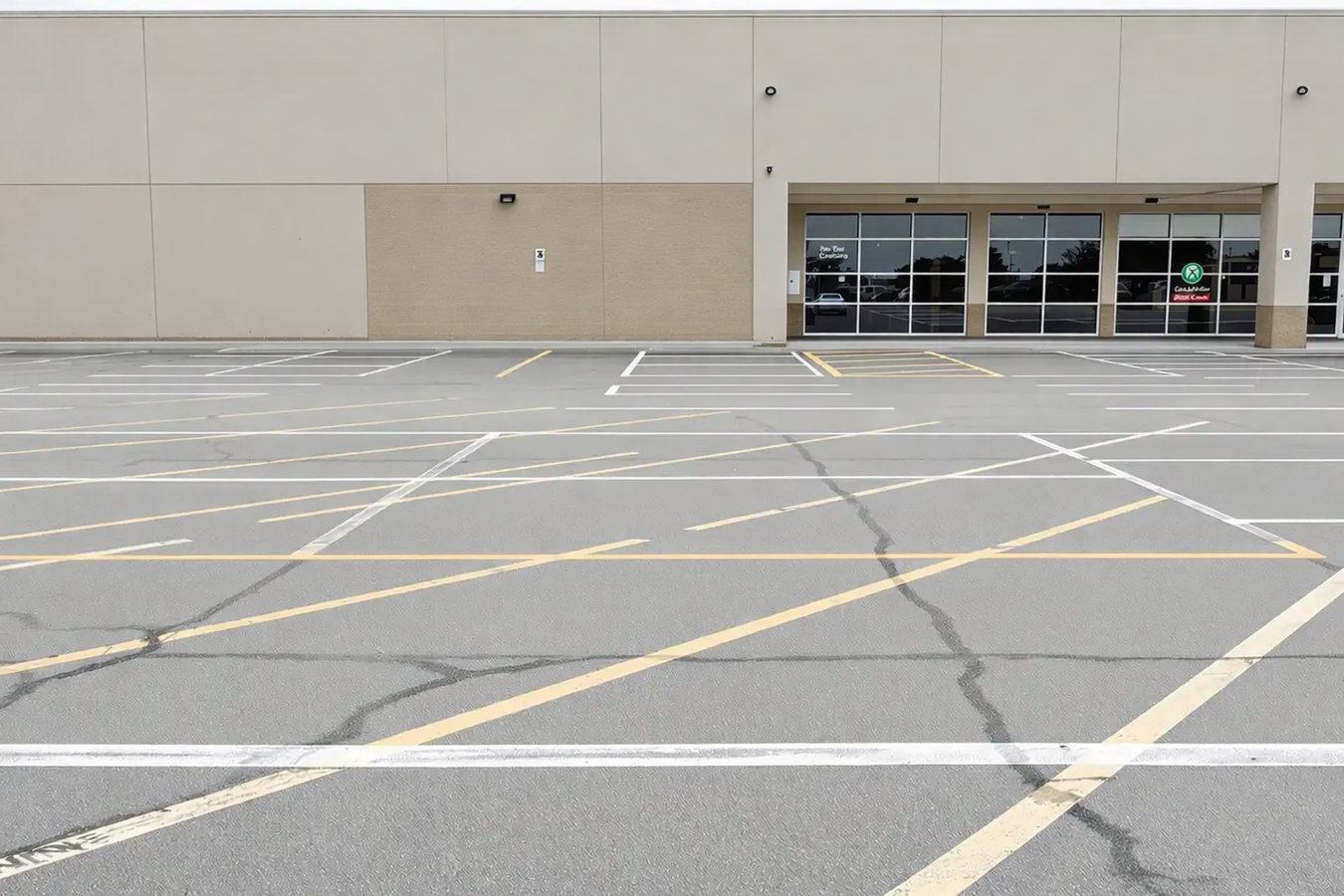
Tired of a muddy gravel lot or crumbling asphalt that soaks up every rain? We build concrete parking lots in Little Rock with proper base preparation, city permits handled, and drainage graded right so water moves away from your building - not toward it.
Concrete parking lot building in Little Rock covers the full process from site preparation through the finished surface - base excavation, gravel compaction, forming, steel reinforcement, pour, control joint cutting, and drainage grading - with most small to mid-sized lots completed in two to five days once permits are approved.
If you are currently dealing with a gravel lot that turns into a muddy obstacle course every winter, or a deteriorating surface that pools water after rain, you already know the problem. A concrete lot solves both issues permanently when it is built correctly. The catch is in those last four words. In Little Rock, where the clay soil beneath your property expands and contracts with every wet and dry season, the base preparation work is just as important as the concrete itself. Skip or rush that step, and the surface will crack and shift within a few years regardless of how well the pour went. If you also need related hardscape work, our concrete driveway building service covers residential approaches and aprons that connect directly to a new lot.
Advanced Little Rock Concrete Company builds concrete parking lots for property owners across Little Rock and the surrounding metro. We handle permits through the City of Little Rock, prepare the base for local clay soil conditions, and grade every surface so water drains correctly from day one.
Cracks wider than a quarter-inch, or sections that have shifted up or down relative to each other, are beyond what patching can reliably fix. In Little Rock, this kind of failure often traces back to the clay soil expanding and contracting through years of wet and dry seasons. Patching over a failed base just delays the problem - a full replacement gives you a fresh start with properly prepared ground underneath.
Standing water after a rainstorm means the surface is not draining correctly, either because it was never graded right or because settling has created low spots over time. Little Rock receives around 50 inches of rain per year, so poor drainage is not just an inconvenience - it accelerates surface damage and pushes water toward your building's foundation. A concrete lot graded correctly from the start solves this problem permanently.
If you are dealing with a lot that turns muddy every time it rains, a concrete surface is the permanent fix. Gravel lots in Little Rock's wet winters are particularly difficult - the clay soil underneath does not drain well, and gravel migrates and thins over time. Concrete gives you a stable, clean surface that holds up year-round without ongoing maintenance.
If the top layer of your existing concrete is chipping, flaking, or feeling rough underfoot, the surface is deteriorating and will only get worse. This breakdown - called spalling - spreads once it starts and makes the surface harder to clean and rougher on tires. Once spalling covers a significant area, resurfacing is rarely cost-effective compared to a full replacement with proper base work.
We build new concrete parking lots for residential properties, small businesses, and commercial sites throughout Little Rock and the surrounding metro. Every project starts with proper site preparation - existing pavement or vegetation removed, soil excavated, and a compacted gravel base installed before any concrete is placed. For lots that handle regular passenger cars, slabs are typically poured four to six inches thick. For heavier use - delivery vehicles, equipment, or high-traffic commercial lots - we discuss slab thickness with you before finalizing the plan. Control joints are cut at regular intervals to give the concrete a place to move without random cracking, and the surface is finished with a broom texture for traction. If your project also requires concrete footings for light fixtures, bollards, or structural supports at the lot perimeter, our concrete footings service covers those elements as part of a coordinated scope.
For properties converting from gravel or dirt, we handle the full transition: site clearing, grading, base installation, and the concrete pour in sequence. For properties replacing failed asphalt or deteriorated concrete, we remove the old surface, assess the base condition, and rebuild from the ground up. Drainage grading is built into every project - the finished surface slopes away from your building and toward the correct drainage points, meeting the City of Little Rock's stormwater requirements from day one. An American Concrete Pavement Association resource is available if you want to read more about concrete pavement design standards.
Suits properties converting from gravel, dirt, or bare ground - full base preparation, pour, and drainage grading on a clear site.
Best for properties with failed asphalt or deteriorated concrete - old surface removed, base rebuilt, and new concrete poured to current standards.
Ideal for businesses or properties needing additional parking spaces added to an existing paved area, matched and graded to drain consistently.
Much of Little Rock sits on expansive clay soil that swells when wet and shrinks when dry. This movement repeats through every season, and it is the primary reason parking lot surfaces in this area crack and shift when the base work is not done correctly. A contractor who treats Little Rock soil the same as sandy or loamy ground is missing something that will show up within a few years as cracked panels and uneven joints. The City of Little Rock also has stormwater management requirements that directly affect how a parking lot must be graded - a new lot that directs runoff incorrectly can result in corrections and fines. We know these rules and build them into every design from the start, not as an afterthought. Homeowners in Conway and neighboring communities face similar soil and drainage challenges, and we serve those areas as part of our regular work.
Little Rock's weather also creates real scheduling constraints. Summer heat - regularly in the 90s with high humidity from June through September - can cause fresh concrete to dry too quickly on the surface before it has fully hardened inside, which leads to cracking. Winter freeze-thaw events, while milder than in northern states, can damage concrete that is poured during a cold snap and not properly protected. Experienced local contractors know to schedule pours for the right conditions and use protective measures when the weather does not cooperate. We are also familiar with permit timelines through the City of Little Rock's Planning and Development Department, which means we build realistic project schedules that account for that lead time. Property owners in Sherwood and other communities north of Little Rock are within our regular service area and face many of the same local conditions.
We respond within one business day. A few basic questions - lot size, current surface condition, intended use - help us prepare for the site visit rather than guessing over the phone.
We walk the property, check the existing surface, assess drainage slope, and discuss slab thickness and layout options with you. You receive a written estimate covering base preparation, pour, control joints, and drainage - no scope left vague.
Once you approve the estimate, we apply for the necessary permits through the City of Little Rock. Most straightforward projects are approved within one to two weeks. We schedule your project start date during this window so there is no gap between permit approval and crew arrival.
The crew removes existing material, grades and compacts the base, pours and finishes the concrete, and cuts control joints. You walk the finished surface with us before we leave - control joints pointed out, sealing recommendations explained, curing timeline confirmed in writing.
We handle the permits, prepare the base for Little Rock's clay soil, and grade the surface so water moves away from your building. Call us or submit your project details online - we respond within one business day.
(501) 621-2844We excavate, remove unstable material, and compact a gravel base specifically designed for Little Rock's expansive clay conditions. This is the step that separates a lot that holds up for decades from one that cracks and shifts in a few years - and we do not skip or rush it.
Every parking lot project in Little Rock requires a city permit, and we handle the entire application process on your behalf. We know the Planning and Development Department's requirements and build the permit timeline into your project schedule so there are no delays waiting on paperwork.
The City of Little Rock requires that new paved surfaces drain correctly without redirecting runoff onto neighboring properties. We grade every lot to meet those requirements from day one - so your surface protects your building's foundation and stays compliant without corrections. The city's stormwater standards are published by Little Rock Public Works.
Every quote we provide breaks down base preparation, slab thickness, pour, control joints, and drainage in plain language - so you can compare bids accurately and know exactly what you are paying for before signing anything. No surprise add-ons once the work begins.
Together, these qualities mean you get a finished lot that performs the way it should from day one and continues to hold up through Little Rock's wet springs and dry summers without constant maintenance. You can also verify Arkansas contractor licensing status before signing anything through the Arkansas Contractors Licensing Board.
Poured concrete footings for decks, additions, and outbuildings in Little Rock - dug to the correct depth for local frost and clay soil conditions.
Learn MoreResidential concrete driveways built for Little Rock's clay soil and wet winters, with proper base preparation and control joints to manage seasonal movement.
Learn MoreSpring and fall booking windows fill fast - lock in your project date now and get a written estimate before the best weather windows are gone.